Subscription Creep
Most Subscriptions Have No Turn Off Auto-Renew Button
How to turn off auto-renew on nine subscriptions: most make you cancel, Microsoft has a real off switch, and Adobe charges 50% to leave.
Spending, saving and the reasoning behind both. Never investment advice.
How to turn off auto-renew on nine subscriptions: most make you cancel, Microsoft has a real off switch, and Adobe charges 50% to leave.
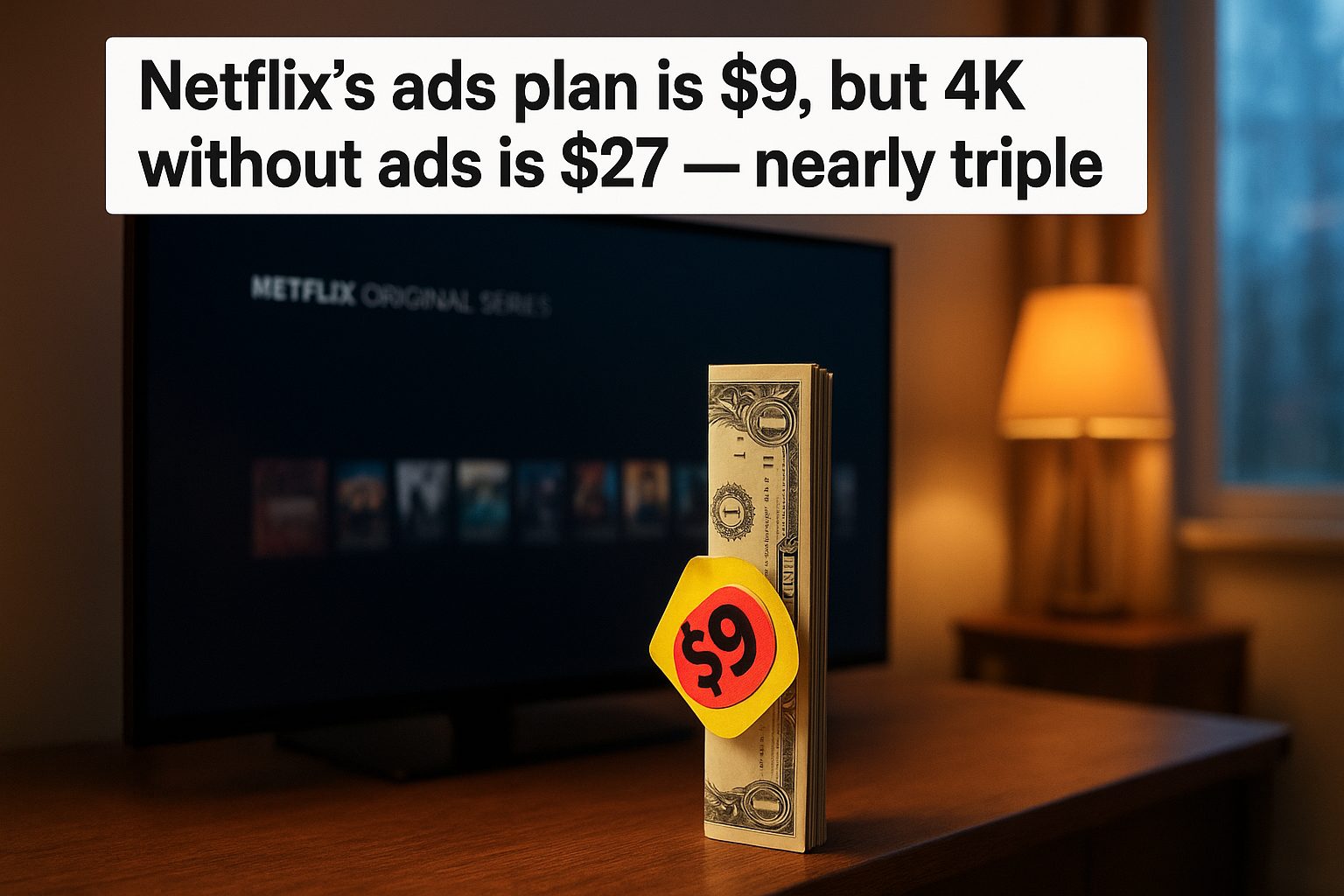
Compare US streaming prices, ad-free upgrades, 4K and screen limits with official sources, verification gaps, and a worksheet for your annual viewing budget.
Compare gift-card renewal rules for seven services, including saved-card billing, prepaid-plan exceptions, and what to check before redeeming credit.
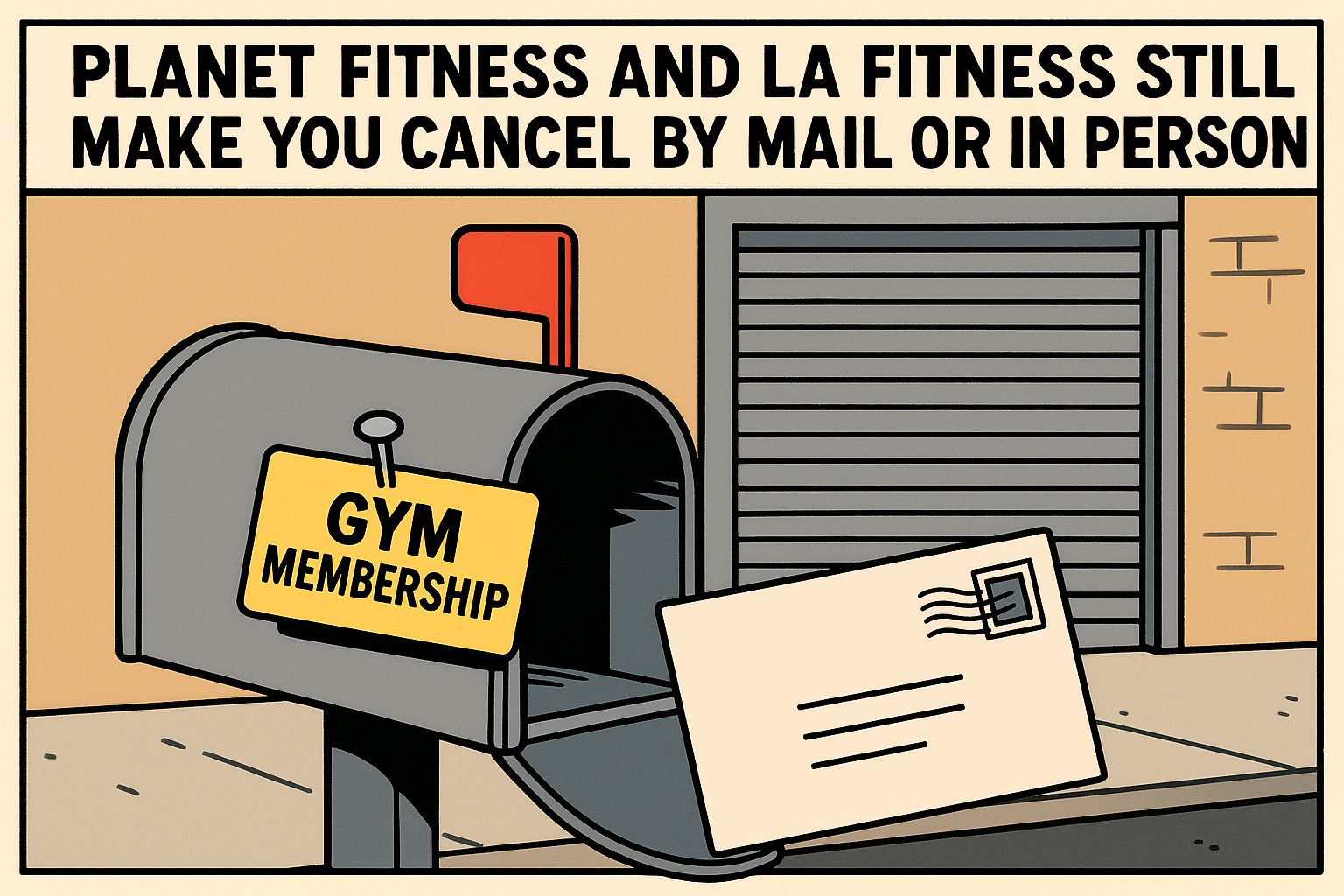
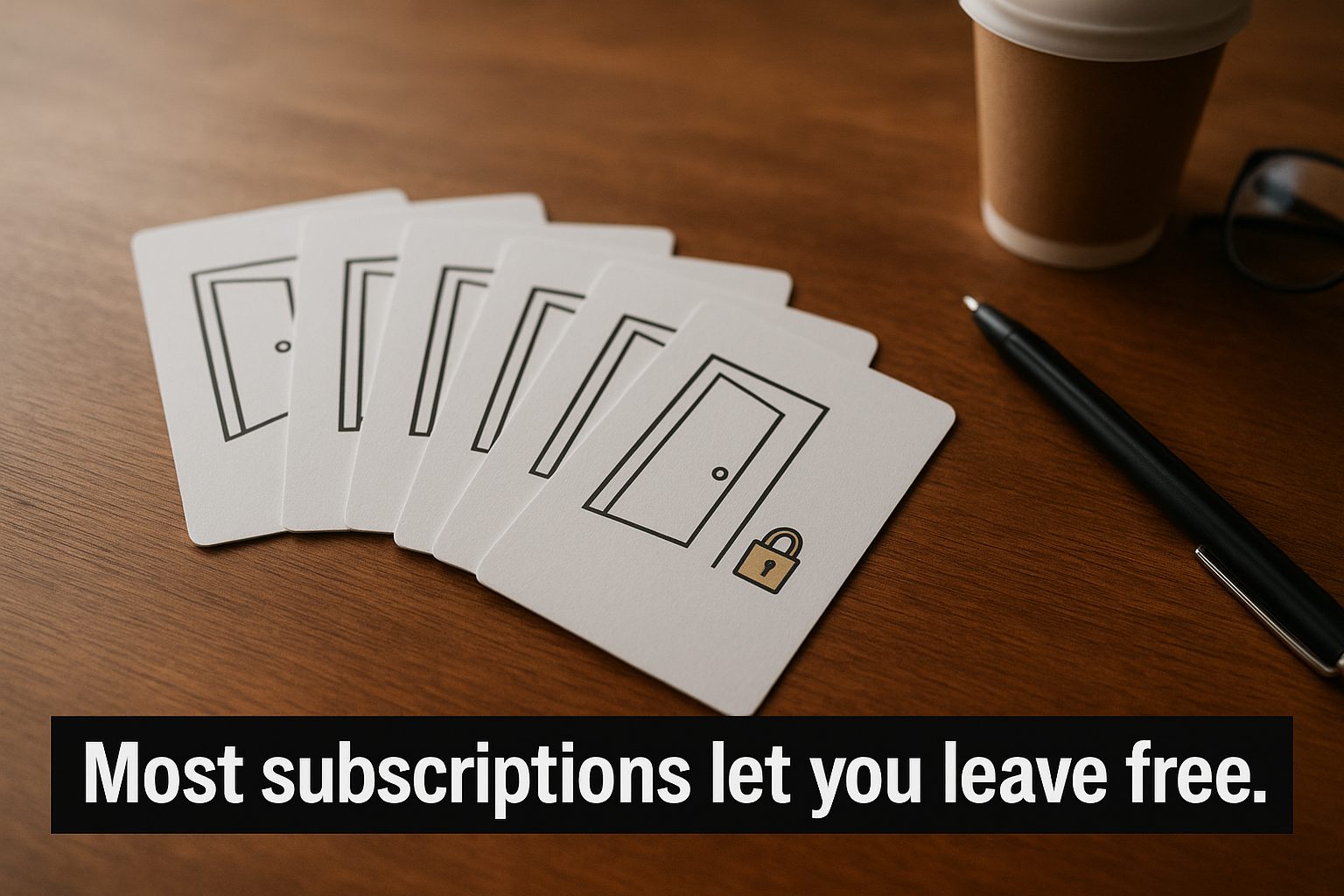
Gyms and cable still force a phone call, a letter, or an in-person visit to cancel; Audible and Amazon take two clicks. Eight subscriptions compared on leaving.
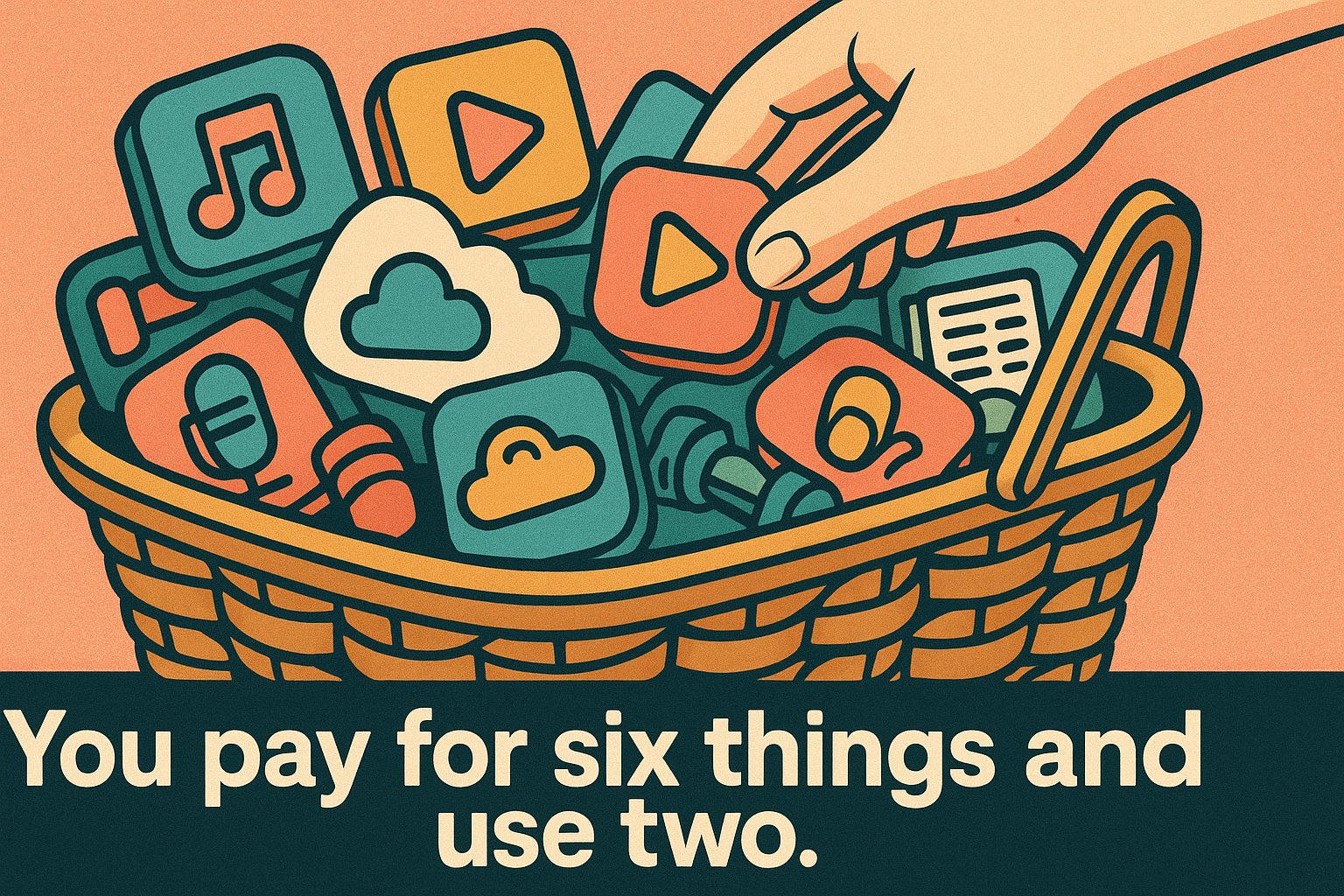
Subscriptions hide in five places and no single app lists them all. Here's what bank-linked detectors, manual trackers and free lists each find.
Six subscriptions compared on what a failed renewal triggers — who retries quietly, who cancels you outright, and whether your data survives the gap.
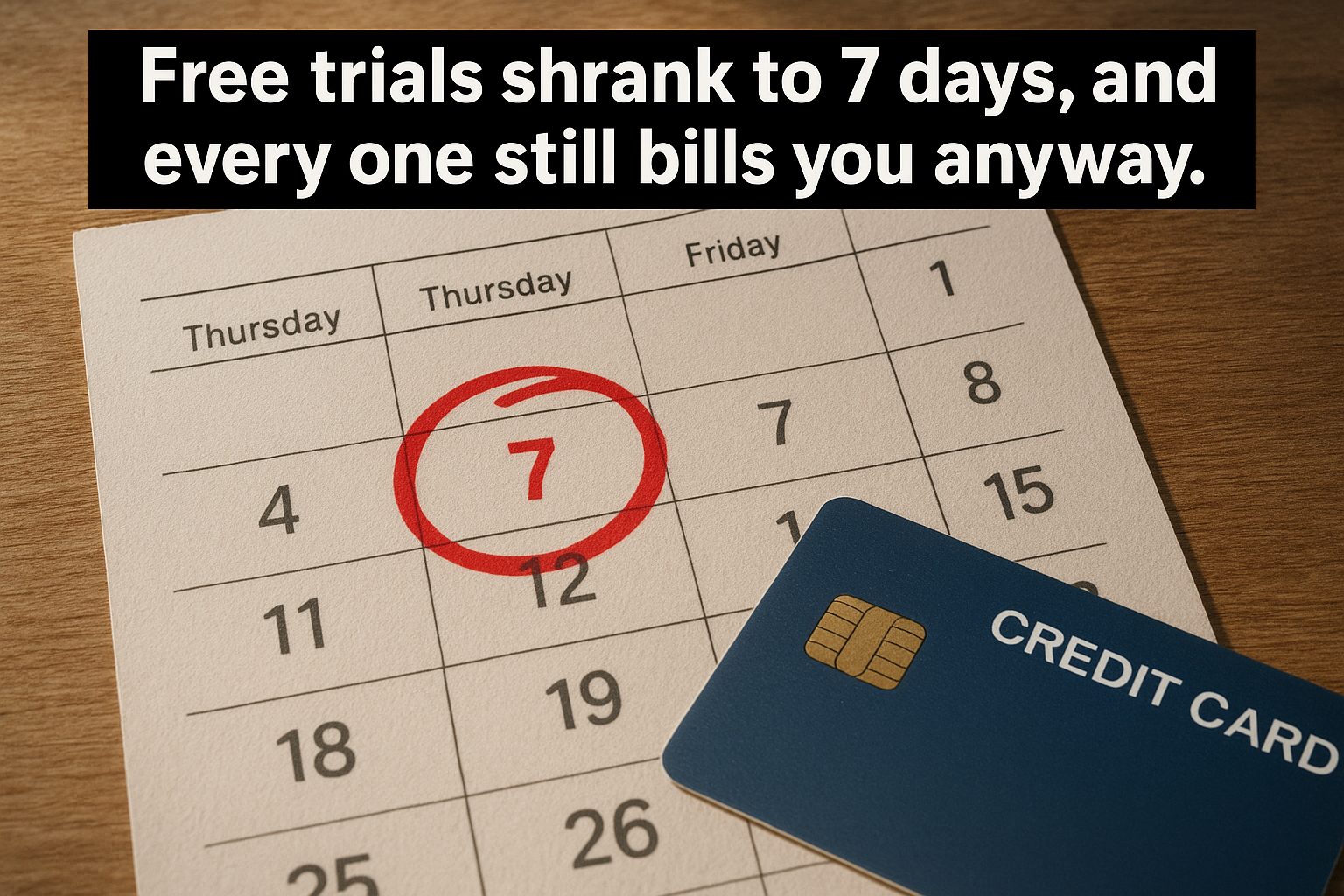
Free-trial reality check: how long eight common subscriptions stay free, what each charges the day the trial ends, and why the 30-day trial is gone.
What seven subscriptions keep after you stop paying, from their own help pages. Netflix holds history 10 months; Adobe and Dropbox start a 30-day clock.
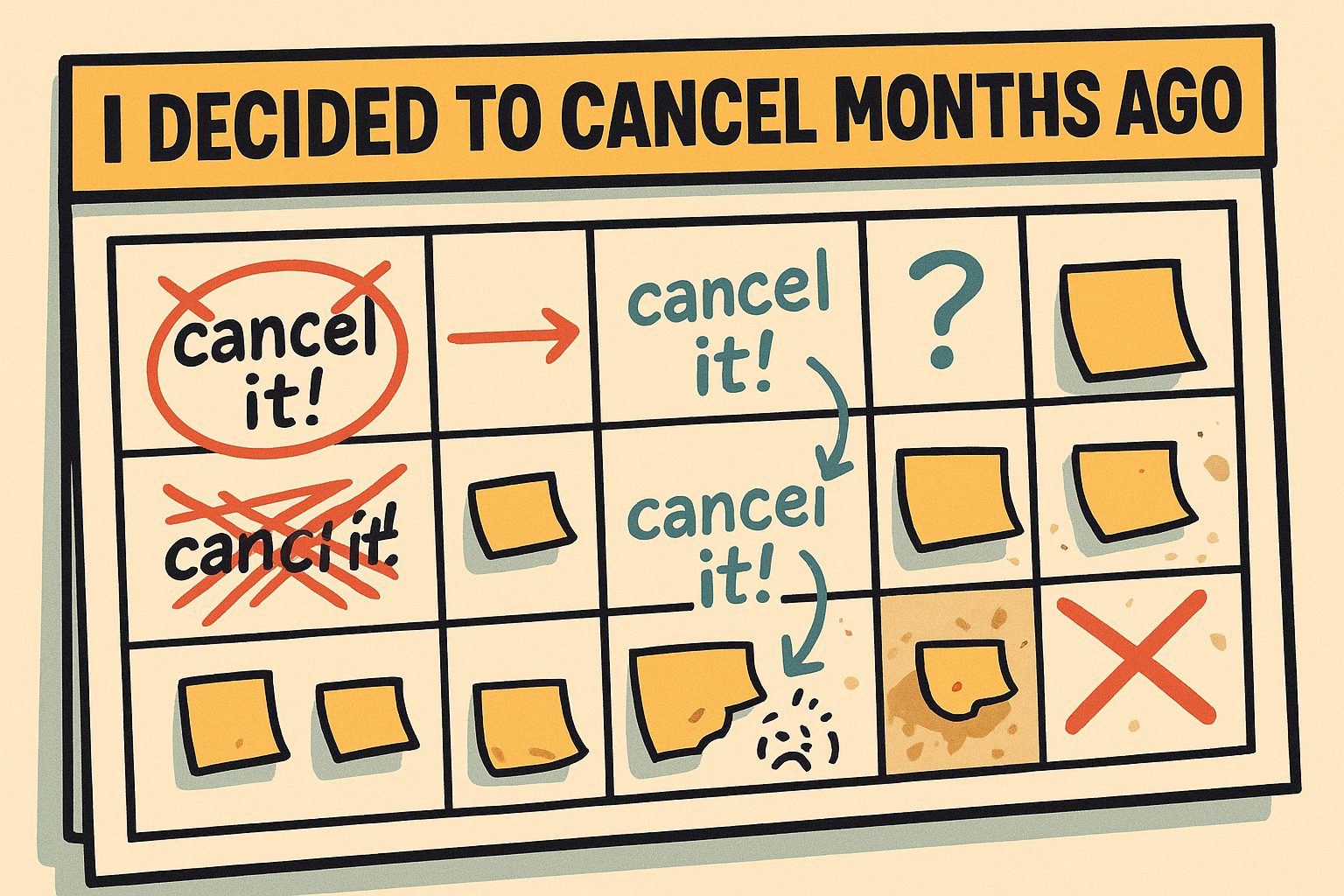
Status quo bias, billing inattention and a missing trigger keep a decided cancellation alive. A dated if-then fix, plus where click-to-cancel law stands.
Compare Apple One, Amazon Prime and Microsoft 365 with separate purchases. Use household needs, billing terms and replacement costs to judge bundle value.
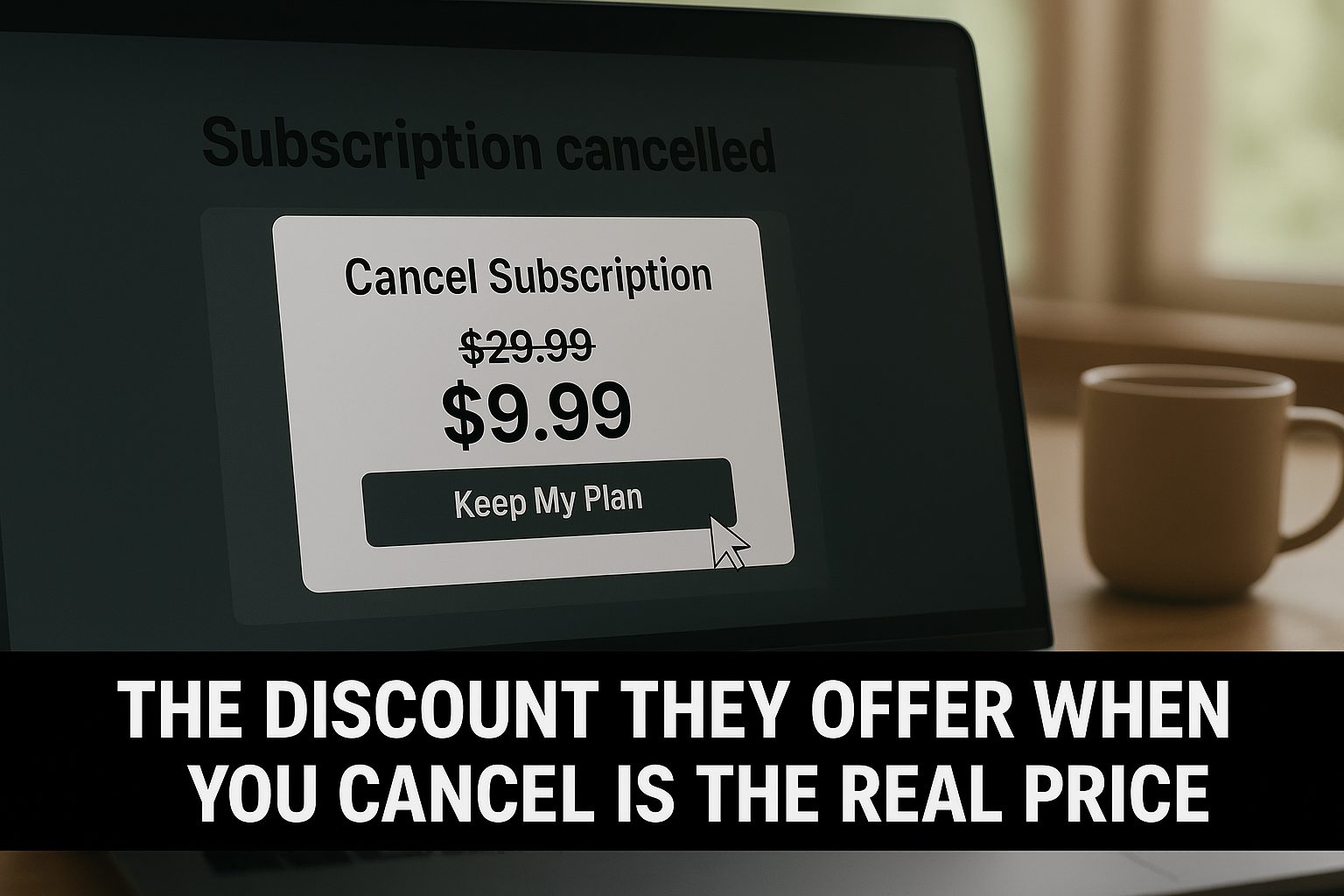
Retention offers explained: why firms discount only when you try to leave, what the Amazon, SiriusXM and Adobe cases showed, and a rule for deciding.
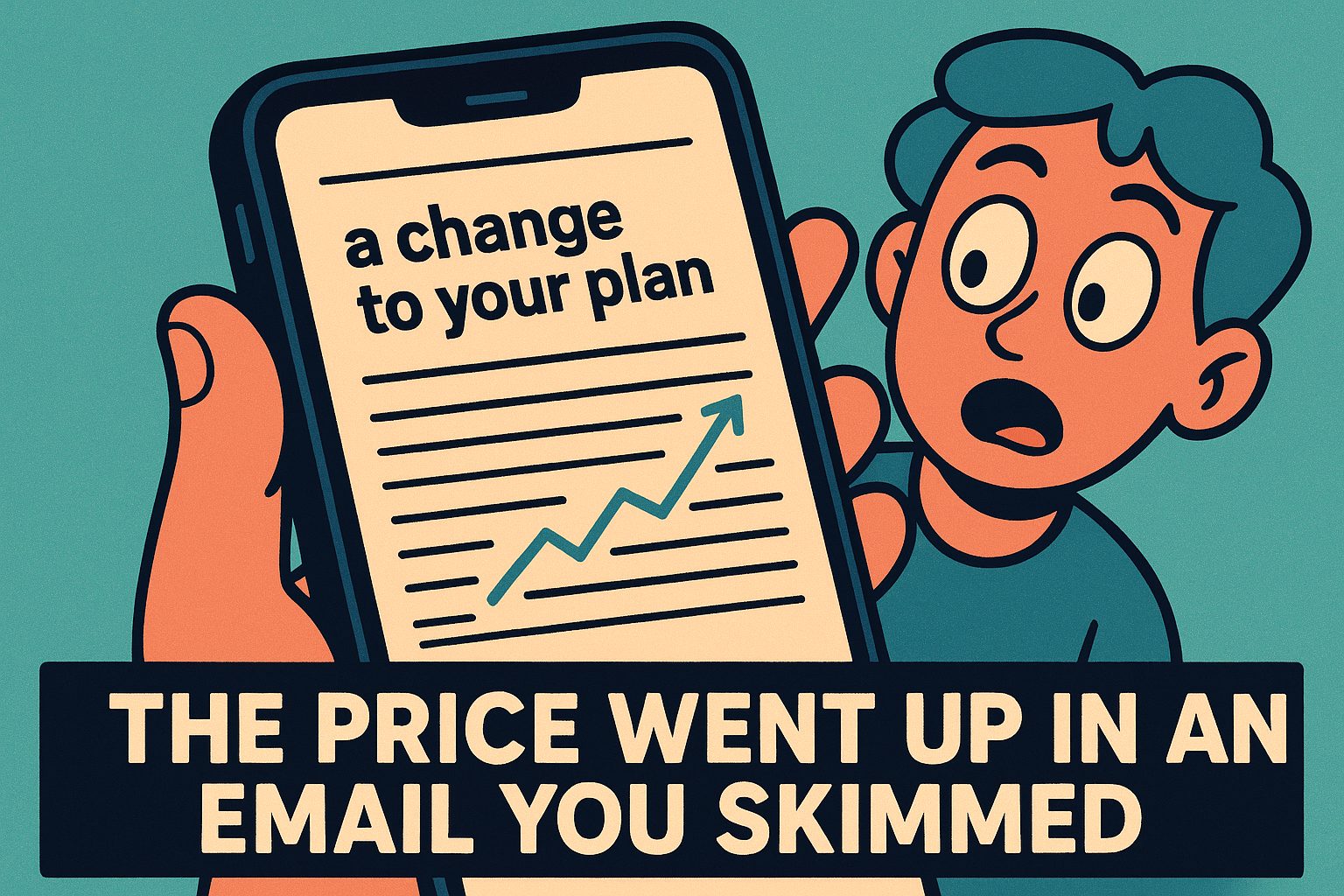
Subscription price increases arrive weeks before the charge. What Apple, Google Play and vendors must tell you, when you must agree, and where to catch it.
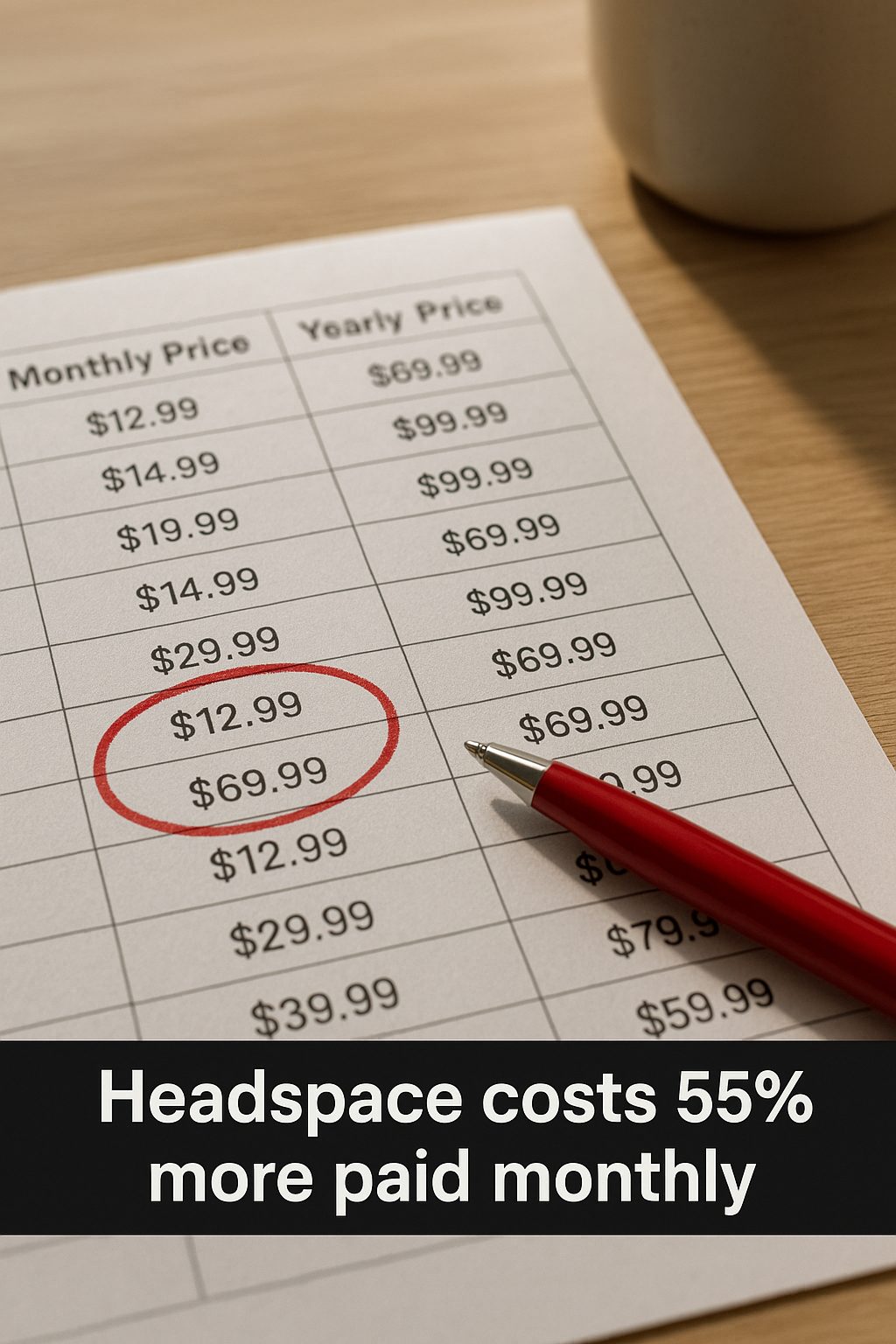
The annual discount runs from a real 55% on Headspace to nothing at all on Spotify. The monthly-vs-yearly gap for six services, read from their pricing pages.
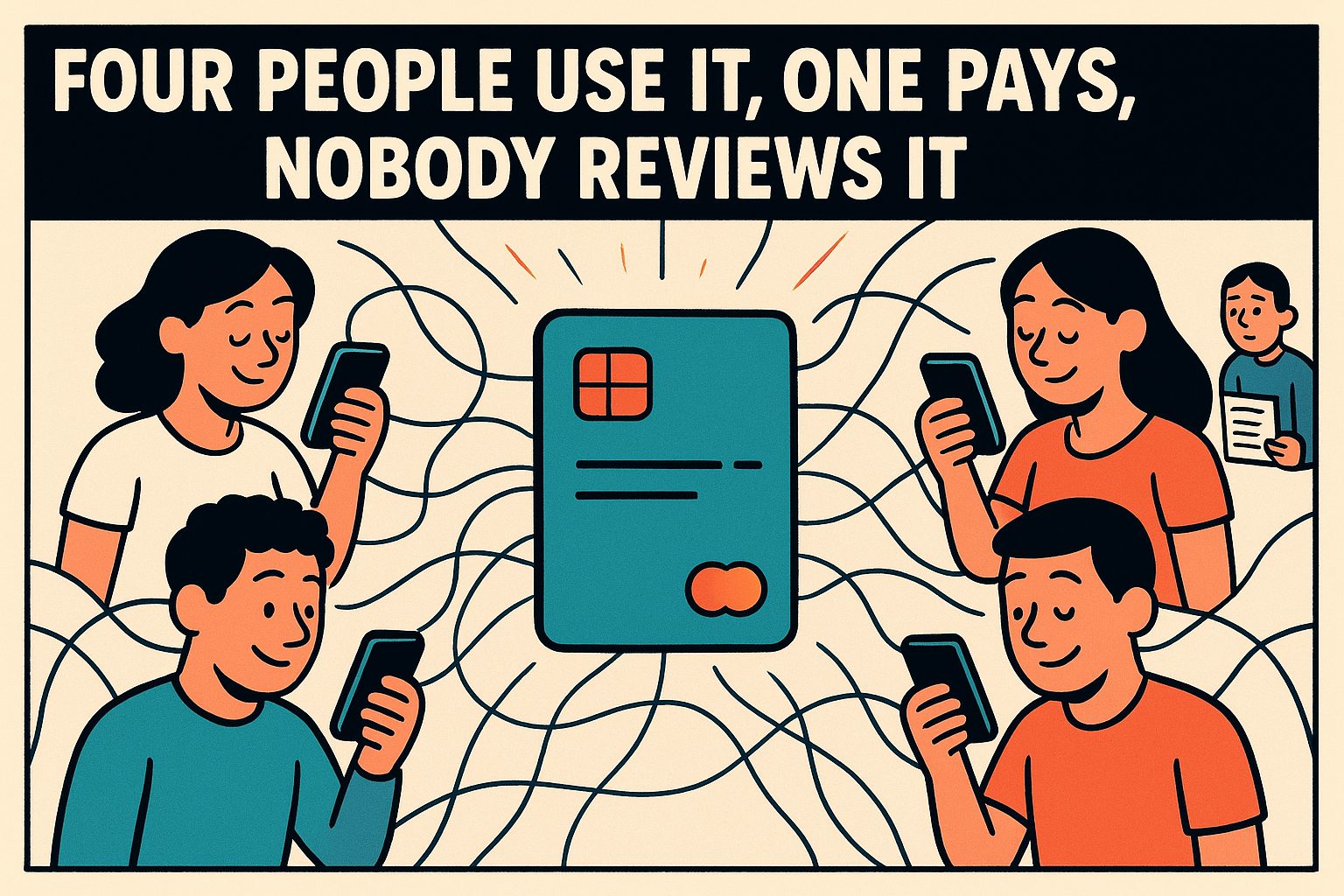
A shared plan puts the cost on one card and the benefit on several people. What each family plan's help page says about who pays, who can join, and cancelling.
Netflix, Spotify, Adobe, YouTube Premium, NYT and Canva compared on cancelling, mid-cycle refunds and trials, from each vendor's terms. One bills you to leave.
Annual plans renew on the signup anniversary, so one busy month becomes a future month where everything is due. Which services let you move the date, checked.
Divide a subscription's monthly price by how often you use it. Flat-rate bias research, where Netflix, Spotify and YouTube keep usage logs, and a worksheet.
Compare Netflix and YouTube TV pause limits, automatic restart billing, and access rules, then use a checklist to decide whether to pause or cancel your plan.
A subscription bought through Apple or Google is billed by the store, not the vendor. Where each one is cancelled and refunded, from the official help pages.
An annual discount only pays off if you stay past a break-even month. The arithmetic, what a study of 7,752 gym members found, and a rule for choosing.
Compare Netflix, Spotify and Dropbox cancellation terms, then calculate whether keeping an unused subscription costs less than restarting when you need it.
Small recurring charges get rounded to zero and never audited, so a $5 subscription outlives a $50 one. The reframe that finally makes you cancel.
Small purchases slip past the budget because of how they are paid, not how much they cost. The payment research, plus a 30-day log that needs no app.
Price anchoring can make an expensive option feel cheap. Use a worked comparison and a pre-purchase worksheet to judge the price against your own budget.
Memory rewrites past purchases in your favour. The research on choice-supportive memory and sunk cost, plus an append-only regret list that exposes it.
Build a four-category budget with a worked example, rules for irregular bills, and checks for when a broad category hides a decision you need to make.
Studies do find people pay more with cards than with cash. What they measured, what they did not, and a two-minute habit that keeps the useful part.
Zero-based budgeting assumes surprises are rare. Survey data says most households get one a year. How it fails, and how to size a line for the unplanned.
A one-month purchase log is the cheapest spending audit there is. A method that survives the month, plus sourced benchmarks to read your results against.
How to price your own time without flattering yourself, what transport economists and a 6,000-person study say, and the few decisions it should touch.
Add one bucket for purchases you cannot explain, then sort it by what went wrong, not what was bought. The method, plus the research behind it.
Budgets start from a fixed monthly figure. If your income is irregular, convert it into one first with a reservoir account, a fixed monthly draw and a floor.