The Risk You Fear Most Is the One You Saw Most Recently
Availability is why a plane crash in the news outweighs a car ride's real odds. The bias isn't that you fear rare things — it's that vividness stands in for probability.
Everything we've published, newest first.
Availability is why a plane crash in the news outweighs a car ride's real odds. The bias isn't that you fear rare things — it's that vividness stands in for probability.
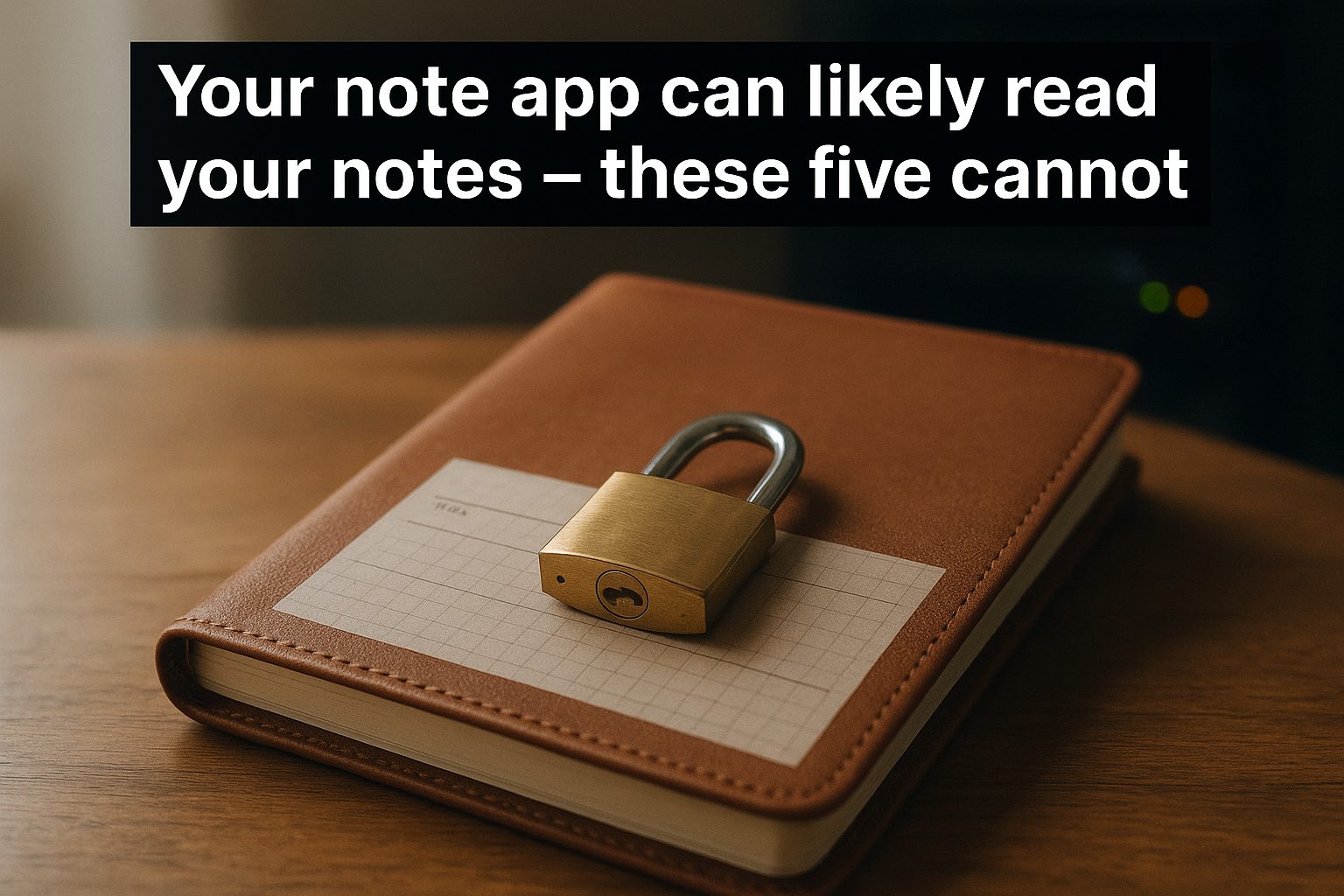
Backlinks promised to resurface old notes and mostly don't — they only link what you already remember. A good title and search box are what work.
A subscription feels like a flat fee until you divide it by real use, and that one calculation is what turns 'I should probably cancel this' into 'I'm cancelling this today'.
Six project tools, one spreadsheet: I checked each free plan's actual limit and what the smallest paid tier costs per seat, per year. The surprises are in the climbing costs.
Read receipts, last seen and the typing bubble turned a reply delay into a tiny rejection, and changed how a text friendship reads silence.
Compared the free plans and yearly cost of Calendly, Cal.com, SavvyCal and TidyCal. One caps you at one event type, one is free forever, one has none.
A note system built for one brain breaks the moment a second person writes into it. Here is where shared notes fall apart, and the small structure that keeps them alive.
When a friendship lived entirely in text, losing it doesn't come with a service or a phone tree. The grief arrives in small, ordinary places instead — read receipts, a group chat going quiet, a suggested contact.
The halo effect is one good trait, like confidence or polish, colouring every other judgement you make about a person. Here's what actually blunts it.
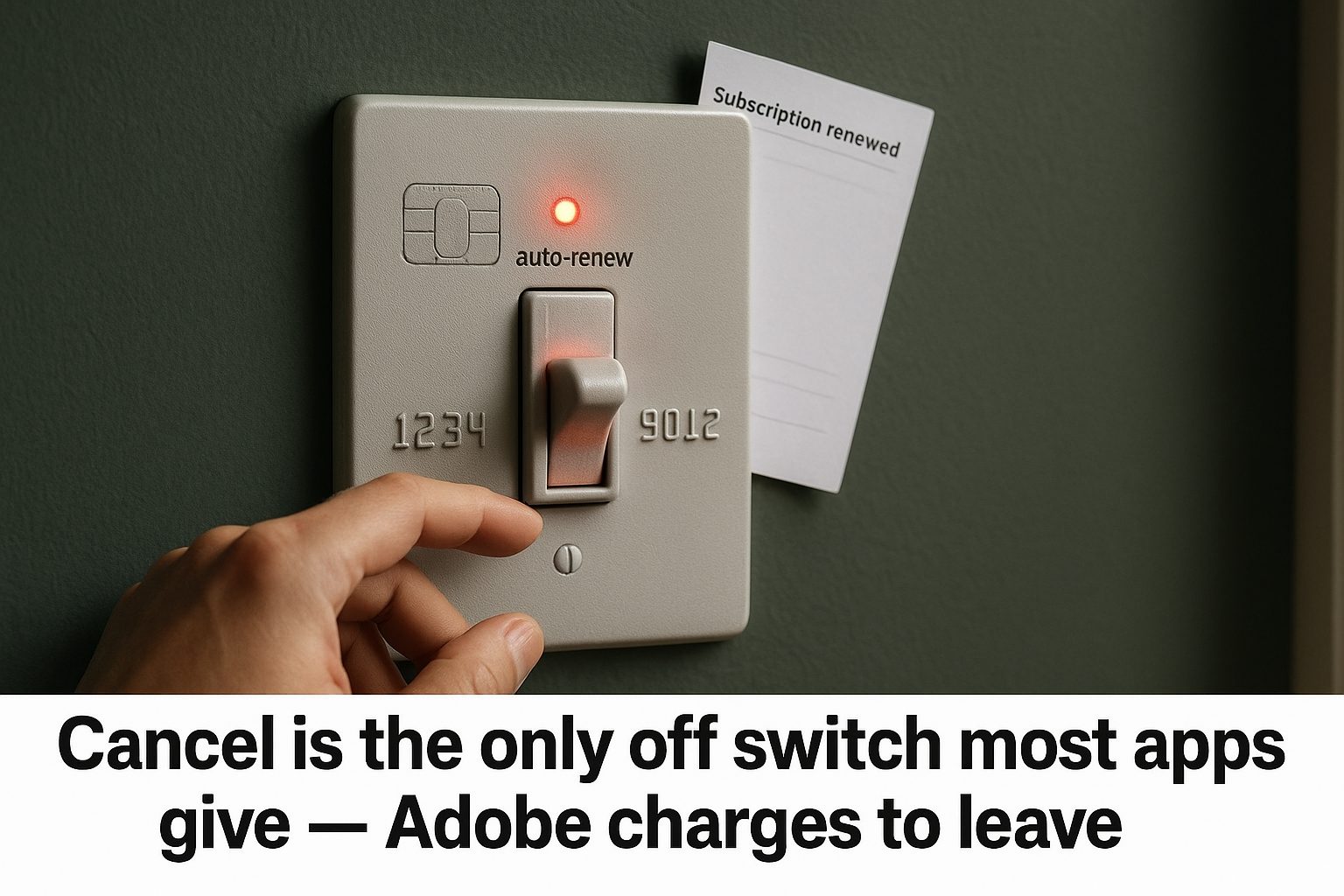
I looked for a pause option on every subscription I pay for. Most don't have one — a 'pause' often keeps charging a smaller fee, or still renews.
Quote-posting was meant for commentary. It became a platform's enforcement tool, outsourcing punishment to the crowd and changing who's safe to argue with.
The report function pretends to be a safety tool. In practice it's the fastest status move in any community — a lever for silencing rivals and settling fights that moderation was never meant to referee.
Your evening is their morning, and somebody always has to give up a good hour. The quiet logistics of an online friendship with a twelve-hour offset, and what happens when the compromise stops being shared.
The reason your notes never resurface isn't the app, it's that you file them with no structure to search against. Here is the six-line template I settled on, and where it breaks.
I checked the free tiers on Mailchimp, Kit, Buttondown, MailerLite and Beehiiv. One caps you at 100 subscribers, another at 10,000, and "free" hides four different kinds of limits.
You keep going because you've already paid, and the money you spent is the one thing your future choices can't get back. What the sunk-cost effect is, when it's strongest, and the questions that reliably break it.
Sarcasm dies in text, so someone invented /s — and then people started fighting about it. How a three-character tone marker became a culture war over who gets to decide what a joke means.
Cancelling on a vendor's website doesn't stop an App Store charge, and cancelling in the app often does nothing at all. Why a subscription you bought through Apple or Google is a separate billing relationship you have to close in a different place.
Take away the follower count and people invent a new one: reply speed, blue check, who got screenshot first. How invisible leaderboards shape what everyone posts.
Four retrieval methods — search, folders, tags and backlinks — and the exact point where each one breaks down under a real workload. Naming notes for the future you, not the present one.
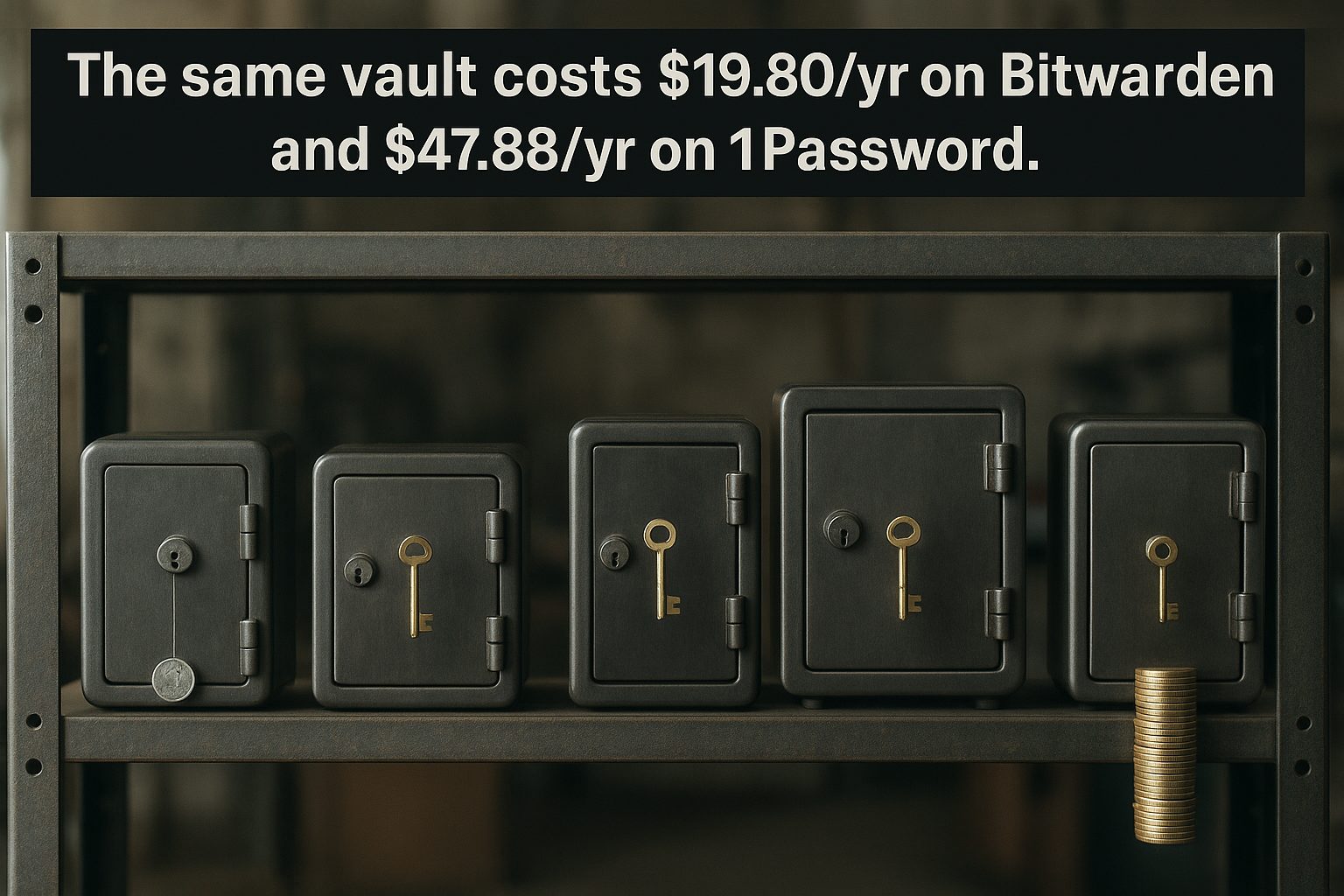
I opened the pricing pages for Bitwarden, 1Password, Dashlane and NordPass so you don't have to. Here is what each free plan really includes, where it stops, and what going paid costs a year.
The annual discount works by making the full year feel cheaper, then making you too committed to quit at month four. Why I fall for it, and the question that stops me.
Most of what you do this week was never a decision — it was a default someone else set, and you only notice it when it costs you. The default effect, and the one question that undoes it.
Most friendships don't end in a fight; they end in a standoff, when both people quietly decide it's the other's turn to reach out. The logistics of who starts, and how to stop keeping score.
A lot of text friendships are held up by a single shared activity — a game, a show, a job. When that ends, there's suddenly nothing to say. Here's what actually happens, and which ones survive.
In-group humour is not actually humour — it's a membership test, and it only works when the audience already knows the lore. Why inside jokes don't travel, and what that says about how communities form.
Not every recurring charge is for something you use. The hardest ones to cancel are the ones you keep for a version of yourself who never shows up. Here is how I finally priced them per use.
Speaking a thought takes seconds and filing it back takes minutes, which is why voice notes pile up uncategorised. Where audio capture actually breaks, and what to do about it.
Motivated reasoning means the facts arrive last, as ammunition for a verdict you reached first. What it looks like in a real week, and the question that breaks it.
Every note system breaks at the same step: filing what you just captured. Why the inbox fills up, and a capture routine that needs no filing decision.
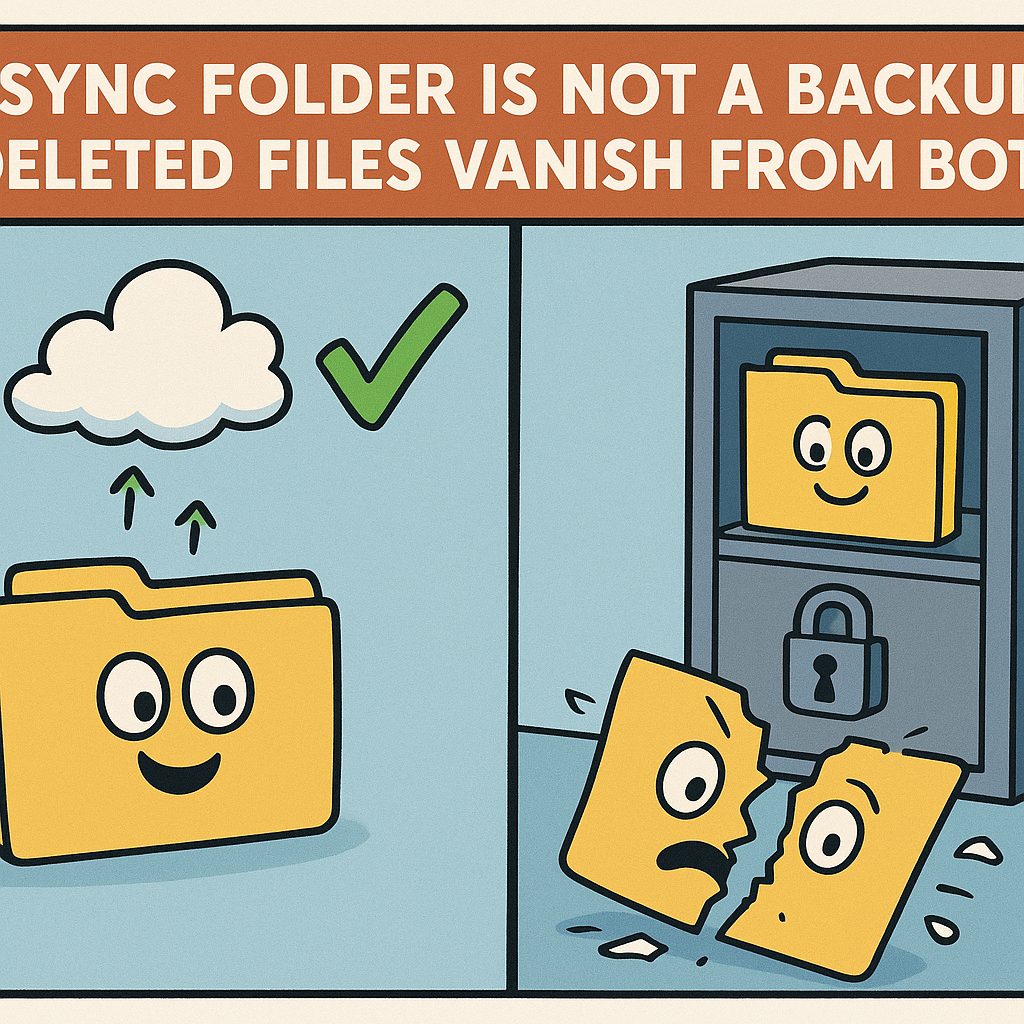
Seven cloud services, compared: what the free tier really gives you, what the first paid tier costs a year, and why a 5 GB default is an upsell.
One post now reaches your boss, your mom and strangers at once, and each reads something different. Why context collapse breaks, and what to do.
Small recurring charges get rounded to zero and never audited, so a $5 subscription outlives a $50 one. The reframe that finally makes you cancel.
The advice you read comes from people it worked for, while everyone who failed stays silent. That's survivorship bias — and how to ask for the denominator.
Some friendships never leave the app they were born in — no number, just a handle. What happens when the platform decays, and how to move it first.
A friendship that migrated entirely to text and voice notes, and the unspoken contract about how long you can go silent before it means something.
Small purchases feel free, which is exactly why they are not. One month of writing down every sub-$15 spend, and what the total actually turned out to be.
PARA and Zettelkasten worked until the notes piled up and retrieval broke. Then I tried one append-only text file per day — here is what survived a real quarter.
In every online place, roughly 90 percent read and never post, 9 percent occasionally speak, and 1 percent make most of it. Why lurkers are not the problem you think.
I know the planning fallacy by name, and I still fell for it on five out of five tasks. Here are the numbers, and the one fix that actually helped.
A six-month review of switching from a mouse to a trackball to fix afternoon wrist pain — what the spec sheet does not mention about the first two weeks, and whether it actually worked.
Humour that depends on context stops working when the context leaves, and almost all internet humour depends on context. A defence of things that have aged badly.
The unannounced disappearance is the standard ending, and it costs the person more than it costs the audience. A case for ending things out loud.
A three-month walkthrough of an AI meeting notetaker across a nine-person team, including what the pricing page leaves out about retention, export and cancellation, and whether switching was worth the migration.
The version of me who decides in advance and the version who decides in the moment are not the same person, and only one of them is reliable. What pre-committing actually does, and the one place it backfired.
Focus blocks get broken. What happens in the twelve minutes after the interruption decides whether any of them amount to anything. A re-entry protocol, with honest numbers.
Nobody notices a bus factor until the bus arrives. What a single volunteer moderator was actually holding up, why nobody stepped in, and the one community that survived by never letting it get to one person.
The first price I saw set the whole decision, and I only caught it because the expensive option was so absurd it made the cheap one feel like a bargain. How I started choosing which number to look at first.
Sometime is where friendships go to die, because the coordination cost gets paid fresh every single time. What a recurring slot actually does, in honest numbers, and the one friendship where it backfired.
Following a set of accounts and reading a feed are different activities, and conflating them explains a lot about how people talk about what they saw online.
'Emergency fund' and 'savings' both stalled. A goal named after a specific thing, with a date, filled in eleven months. I do not think that is a coincidence.
The signs that a community no longer needs the person who started it, and what happens if that person does not notice. I did not notice.
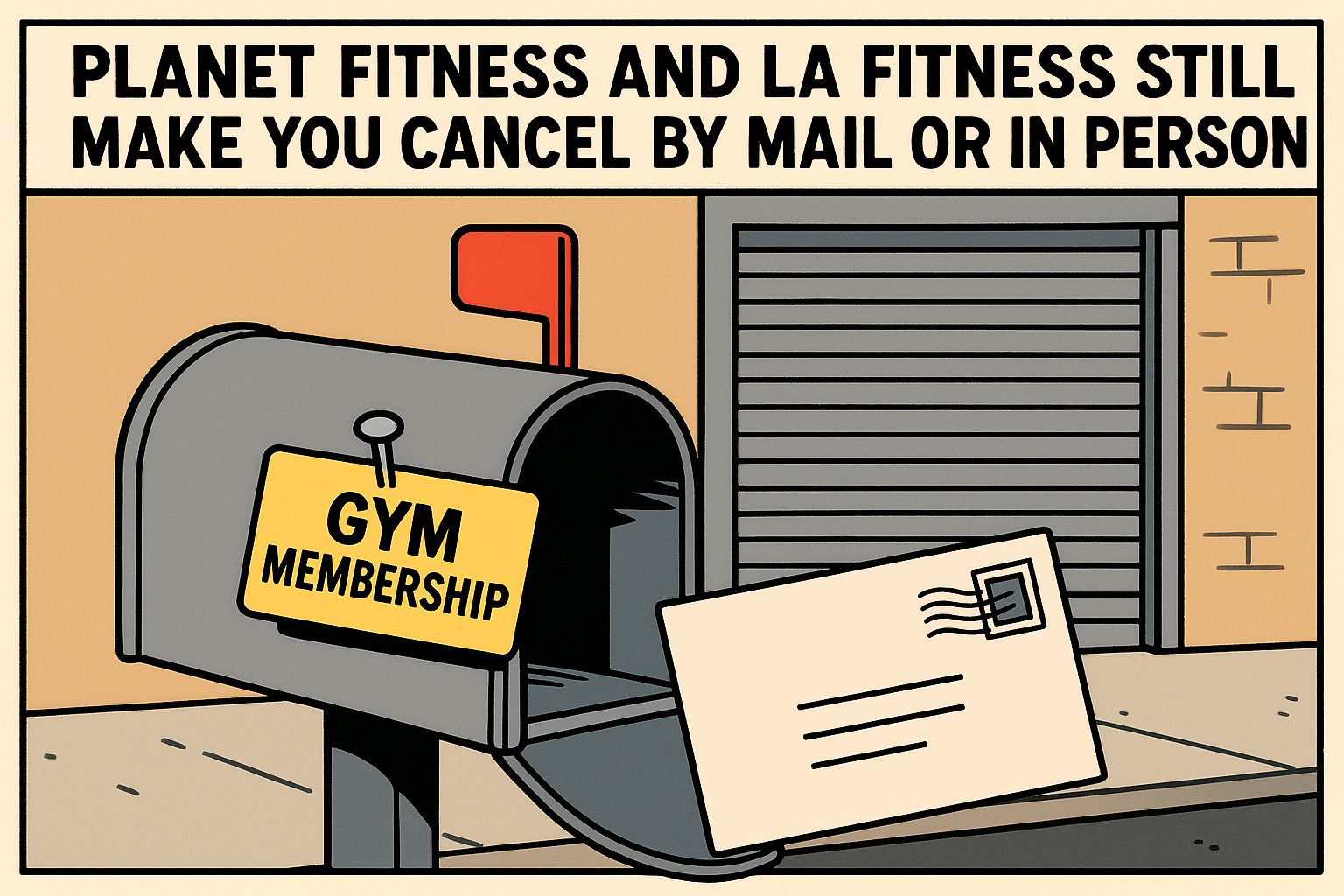
The fastest took eleven seconds. The slowest took nine days and a phone call. How hard a service makes it to leave turned out to predict something about the service itself.
What it is like to be on the receiving end of a one-sided relationship at small scale, and what it taught me about my own feelings toward people I follow.
A specific and slightly uncomfortable look at what happens when a place you loved stops working for you, and how to tell which of the two things changed.
Writing down the regret was easy. What the list revealed over two years is how much work I do to make a bad purchase retrospectively reasonable, and what that costs beyond the money.
The feeling is unpleasant and socially unmentionable, which is why it goes unexamined. It is also unusually specific about what you actually want.
Twenty percent off for paying yearly sounds like free money. Priced as what it actually is — an interest-free loan with a cancellation penalty — it is a much narrower deal.
For a decade I assumed the relationship was thin because the overlap was small. What changed was giving up on finding common ground and finding a common activity instead.
What I found when I looked honestly at why I could not refuse, and the small change that worked better than resolving to be firmer.
Four attempts at a proper routine, all abandoned inside two months. The fifth was worse in every measurable way and has run for three years.
Fine-grained categories feel rigorous and produce a report nobody reads. Here is what happened when I checked which of my thirty-one had ever changed a decision.
The framing that admin is a lesser category made me do it badly, at bad times, resentfully. Scheduling it as work rather than as leftovers changed both halves of the day.
What the codes actually are, why SMS is the weak version, and — the part that goes wrong — what happens when you lose the phone.
Both deploy a static site in ten minutes. The differences show up in build minutes, redirect handling, and one caching behaviour that cost me two hours to understand.
I tried to correct my optimism about new projects. It worked, and I started fewer things, and the ones I started were not better.
I spent two years trying to repair something that was not broken, only over. What I eventually understood about friendships that simply finish.
The hardest decisions are the close ones, and I think that is backwards. A close decision is by definition low-stakes; what makes it hard is something else entirely.
An audit tells you what you pay for. Turning each one off for a week tells you what you need. The results did not match my predictions in six cases out of fourteen.
I ran an association where most members had been there decades before me. What actually establishes authority when seniority obviously does not.
No scripts, no integrations, no scheduler. Forty text snippets, built over three years, that have quietly removed more friction than everything clever I have made.
The hardest software decisions are not about bad products. Here is the framework we used to leave something that worked fine, and why "it works fine" is not a reason to stay.
The review had accumulated steps for six years, each one added for a reason. Cutting four of them made it shorter and, as far as I can measure, no less useful.
Not deliberately. The feedback was fast enough and specific enough that my sense of what was interesting quietly reorganised around it.
After four years of increasingly elaborate calendars, the version that finally stuck has two protected blocks and nothing else. Here is what the elaborate versions were actually costing.
I sent a client a wrong number that a tool gave me confidently. Here is the check I built afterwards, and the category of question it will not save you from.
Three pairs of headphones judged over a full working day rather than a demo. The thing that decided it was comfort at hour six, which nobody can test in a shop.
1Password at three seats for four months, including the migration nobody warns you about and the one feature that turned out to matter more than the vault.
The method comes with a philosophy that I do not think survives contact with a job. Two of its mechanics, though, are the best thing that has happened to my notes.
Looking back at when I have worked well, the pattern had nothing to do with discipline and almost everything to do with two conditions I had never tracked.
The same name, the same rules, largely the same people, and after three years it is about something else. The mechanism is small and continuous.
The trial did what trials do. What made it expensive was three specific design choices that are standard across the industry, and one habit of mine that made them work.
The automatic round-up is the most recommended painless saving trick there is. It worked, and the reason it worked is not the one usually given.
Communities generate their own norms out of humour, and the process is consistent enough to predict. It is also how a welcoming place becomes a closed one.
Years of visits that dissolved into television and mild tension, and the small structural changes that fixed most of it without anyone having to discuss anything.
I spent a month recording where each purchase was actually decided. Almost none of them were decided at the point of sale, which is the only place I had ever tried to exert control.
Four years of diligent note-taking, 1,340 notes, and a query against the access log that made me change what I capture rather than how I organise it.
Nobody signed off on any of it and every single one was a reasonable decision at the time. What we found when we went looking, and the policy that replaced the ban I nearly wrote.
The classic advice is that cash makes you spend less because handing it over hurts. It did make me spend less, for a completely different reason, and the reason is reproducible without the cash.
Not shared interests — a recurring thing that happens whether or not anyone is in the mood. Six years of running a choir made the pattern impossible to miss.
Reach, monetisation and API access are not features. They are terms, and terms get revised. What that means for anyone building on someone else's land.
What happens when software you rely on grows a feature it wants you to use, and how to tell an improvement from a shareholder announcement.
Not the ideal one. The one that takes forty minutes, costs about £3 a month, and covers the failure that actually happens to people.
I went back through six years of major choices and found that in most of them I never chose. The deadline chose, or the option expired, and I experienced it as a decision.
We migrated to one, disliked something specific, migrated to the other, and found a different specific problem. Here is the honest split for a small business address.
I tested five ways of getting myself to do things I did not feel like doing. Four are variations on self-discipline and none of them worked twice.
Most boundary advice assumes an exit. For a family member, a neighbour or a long colleague there is often no exit, and the useful moves are different.
Consolidating onto Notion saved us $91 a month and cost us something harder to price. A year later, here is exactly which parts stuck and which we quietly reversed.
The streak worked for eleven weeks and then became the point. What happened next made me change how I measure anything I want to keep doing.
Assigning every pound a job before the month starts is a good idea that I could not sustain. What I kept was a single category that fixed the reason it collapsed.
Six years of watching group chats form, sustain and die, including my own. What keeps one alive is not what people think.
Every time I was bored at work for six weeks, I wrote down what I was doing. The pattern was not what I expected and it changed what I delegate.
Growth changes what a place is, and the people who were there first experience the change as decline. Both sides are right, which is why it never resolves.
Moving tasks onto a calendar forces you to say how long each one takes, and that forced estimate is the whole benefit. It is also why most people quit in the first week.
We budgeted two weeks for the data and got it done in three days. Then spent five weeks on the part nobody schedules — every integration, habit, and link that pointed at the old thing.
Forty-one predictions, sealed and dated. The gap between what I predicted and what I remembered predicting is the most uncomfortable thing I have measured about myself.
A recurring problem with someone I liked, and every escalating indirect strategy I tried before the obvious one. It took under two minutes.
Six years of writing for a group of people who could stop reading at any moment, and the two things that turned out to keep them.
Four monitors, three chairs, and the £90 accessory that did more for my working day than any of them. A note on where the returns actually are.
A checklist has no dependencies, never breaks silently, and takes four minutes to write. I spent two years learning when to reach for one instead of a script.
Not two and a half hours of work — two and a half hours of the concentrated kind. Once I had a real number, most of my productivity habits stopped making sense.
Six years of watching formats arrive and burn out in one community. The stages are consistent, and the third one is where it stops being funny.
The exact three-block, fifteen-minute weekly close-out I use every Friday, and why shrinking your weekly review is what finally makes it stick.
A no-buy month is a common experiment and the first fortnight is mostly novelty. What I learned came from the part where it stopped being interesting.
One boring month of writing down every purchase in a notebook turned out to change more than any budget I'd ever tried. Here's what I actually found.
A 20-minute checklist for finding the real cost of a SaaS tool before you start a trial — seats, add-ons, overage, and the traps pricing pages hide.
Six years of the actual queue: what is in it, how long decisions take, and why every public debate about moderation is about the rarest cases.
The number itself was uncomfortable. What it actually did was resolve a category of small decisions I had been making badly for years.
Not one of them felt like a significant decision when I made it. Seeing them together, on a single page with annual figures, is a different experience from seeing them monthly.
Every SaaS product has an export button. Testing them while you are still a happy customer is the only way to find out what it actually produces.
Not from its policies or its stated values. From the single number it puts next to a post, which determines everything downstream.
A decade of friendships conducted entirely in text, what they are good at, and the specific thing they cannot do.
We rebuilt the same twenty-screen deliverable twice, once in each tool, and timed it. The gap is real but it is not where the comparison articles put it.
Advice about work relationships is mostly borrowed from friendship, and the borrowing causes specific problems. A different starting point.
Someone has to be the switchboard, and in most families it is the same person. Four years of being that person, and what changed when I stopped.
Six months of categorising my own spending produced one bucket I did not plan for, and it turned out to hold more money than my grocery bill.
I kept a log of every time I was disproportionately annoyed. In four cases out of five the actual cause was hours old and had nothing to do with the trigger.
A repeatable process for going through every piece of software a small team pays for, in one sitting, with a decision at the end of each line.
Every time I could not get started on something for a year, I wrote down what the next action actually was. In most cases there wasn't one yet, which is a different problem.
The list price per seat is the least interesting figure on a pricing page. Here is the arithmetic that actually predicts what a tool costs a growing team in year two.
The five that survived have one thing in common that I did not notice until I looked at the nine that did not. It is not how much time they save.
Knowing a bias has a name is knowledge about a category, and the bias operates on the instance. Here is what did work, on one of them.
Every weekly review system fails the same way — you miss one, then the backlog makes the next one worse. Here is the recovery version that is designed to be done badly.
Forty-one logged uses, honestly timed against doing it myself. The wins were narrow, real, and not the ones I expected.
Most advice on boundaries covers the first refusal. What actually decides the outcome is what happens when the same request returns slightly rephrased.
A plain account of what a domain name is, what the renewal is for, and the four upsells that are not necessary — written for people who were handed this decision without being told anything.
PARA organises notes into four buckets. After twelve months and about 900 notes, three of those buckets had collapsed into each other and the fourth had become the whole system.
Eleven years running a neighbourhood association taught me that the warmth is not what keeps people together. Somebody sending the message is.
Four mechanical keyboards over eighteen months, judged on the only criterion that survived — whether I still thought about it in month six.
Twelve years of freelance income means some months are triple others. The method that finally worked treats the good months as a reservoir rather than as income.
Not because anyone lies. Because the account arrives after the choice, and it is built to be tellable rather than to be accurate.
Linear is fast in a way that changes how a team files work. It is also opinionated in ways that cost us a fortnight — here is what held up after half a year of real use.
I wrote the rules for a community of two hundred thousand people. They governed almost nothing. Here is what did.
The failure everyone plans for is motivation running out. The one that actually happens is the first disruption, and almost no advice addresses it.
The standard advice is to protect long uninterrupted stretches. When that is not available, the useful question changes from how to avoid interruption to how to cost it less.
Standard time blocking assumes your calendar is yours. Eleven years of shift work taught me a version that assumes the opposite, and it is the only one that has ever survived my week.